Motor starting and control methods | Eaton PSEC
8:24
From homes to industrial facilities, motors are everywhere and starting them properly is crucial to avoid issues like voltage drops, equipment shutdowns, and inefficiencies. In this video we explain the fundamentals of motor starting and how different methods can impact performance, reliability, and energy use. Dan Carnovale, Director of the Eaton Power Systems Experience Centers, explains why motor starting matters and how doing it efficiently can help you avoid inrush current. There are three main motor starting techniques, each with its own pro, cons, and applications: • Across-the-line, commonly referred to ATLs • Soft starters, or reduced voltage starting • Variable frequency drives, also known as VFDs Dan also explains a common misconception that only VFDs produce harmonics and when using a VFD could prove to be inefficient. Ultimately, selecting the best motor starting method depends on: • Cost • Control requirements • Motor size • System compatibility Want to see these methods in action? Visit one of Eaton’s Power Systems Experience Centers to learn more about motor control solutions. Thank you for watching one of our many educational videos on the topic of power systems. Schedule a visit to one of Eaton's Power Systems Experience Centers in either Pittsburgh or Houston to learn more! To learn more about Eaton products and our Power Systems Experience Centers: http://eaton.com/experience To view more educational videos from Eaton's Power Systems Experience Centers: http://videos.eaton.com/experience Chapters 00:00 Intro 00:14 What is inrush current 01:01 3 types of motor starting 01:48 Across-the-line motor explained 02:41 Soft starters explained 04:24 Variable frequency drives explained 05:21 Motors starters and harmonics 06:07 VFD energy savings 07:34 Conclusion #powerquality #powerqualityissues #motorstarting #motors #powersystem #engineering #eatonexperience #experiencecenter #electricalengineering #electricaltrainingvideos #powersystemdesign
From homes to industrial facilities, motors are everywhere and starting them properly is crucial to avoid issues like voltage drops, equipment shutdowns, and inefficiencies. In this video we explain the fundamentals of motor starting and how different methods can impact performance, reliability, and energy use. Dan Carnovale, Director of the Eaton Power Systems Experience Centers, explains why motor starting matters and how doing it efficiently can help you avoid inrush current. There are three main motor starting techniques, each with its own pro, cons, and applications: • Across-the-line, commonly referred to ATLs • Soft starters, or reduced voltage starting • Variable frequency drives, also known as VFDs Dan also explains a common misconception that only VFDs produce harmonics and when using a VFD could prove to be inefficient. Ultimately, selecting the best motor starting method depends on: • Cost • Control requirements • Motor size • System compatibility Want to see these methods in action? Visit one of Eaton’s Power Systems Experience Centers to learn more about motor control solutions. Thank you for watching one of our many educational videos on the topic of power systems. Schedule a visit to one of Eaton's Power Systems Experience Centers in either Pittsburgh or Houston to learn more! To learn more about Eaton products and our Power Systems Experience Centers: http://eaton.com/experience To view more educational videos from Eaton's Power Systems Experience Centers: http://videos.eaton.com/experience Chapters 00:00 Intro 00:14 What is inrush current 01:01 3 types of motor starting 01:48 Across-the-line motor explained 02:41 Soft starters explained 04:24 Variable frequency drives explained 05:21 Motors starters and harmonics 06:07 VFD energy savings 07:34 Conclusion #powerquality #powerqualityissues #motorstarting #motors #powersystem #engineering #eatonexperience #experiencecenter #electricalengineering #electricaltrainingvideos #powersystemdesign
Oil and gas Similar Videos
-
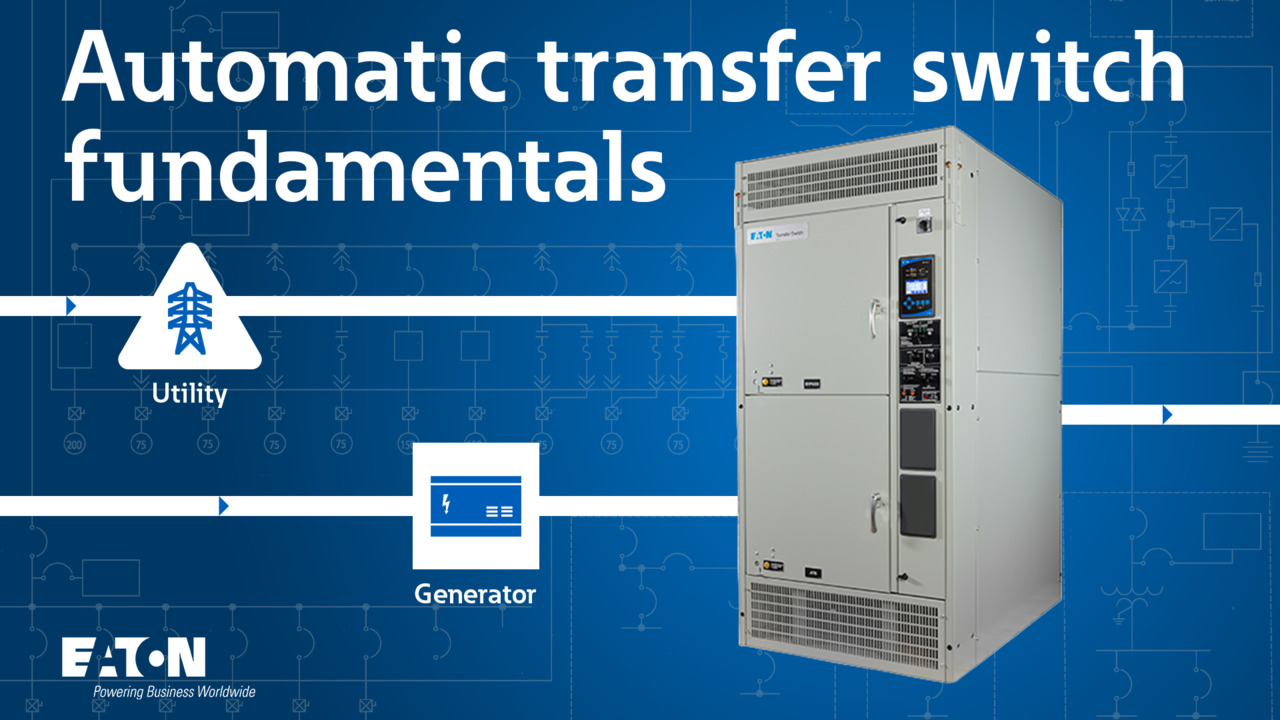
Automatic transfer switch (ATS) fundamentals | Eaton PSEC
15:01
Learn how automatic transfer switches maintain continuous power to critical facilities by shifting electrical loads between utility and backup sources, the difference between open and closed transition, UL 1008 standards, and more.
-
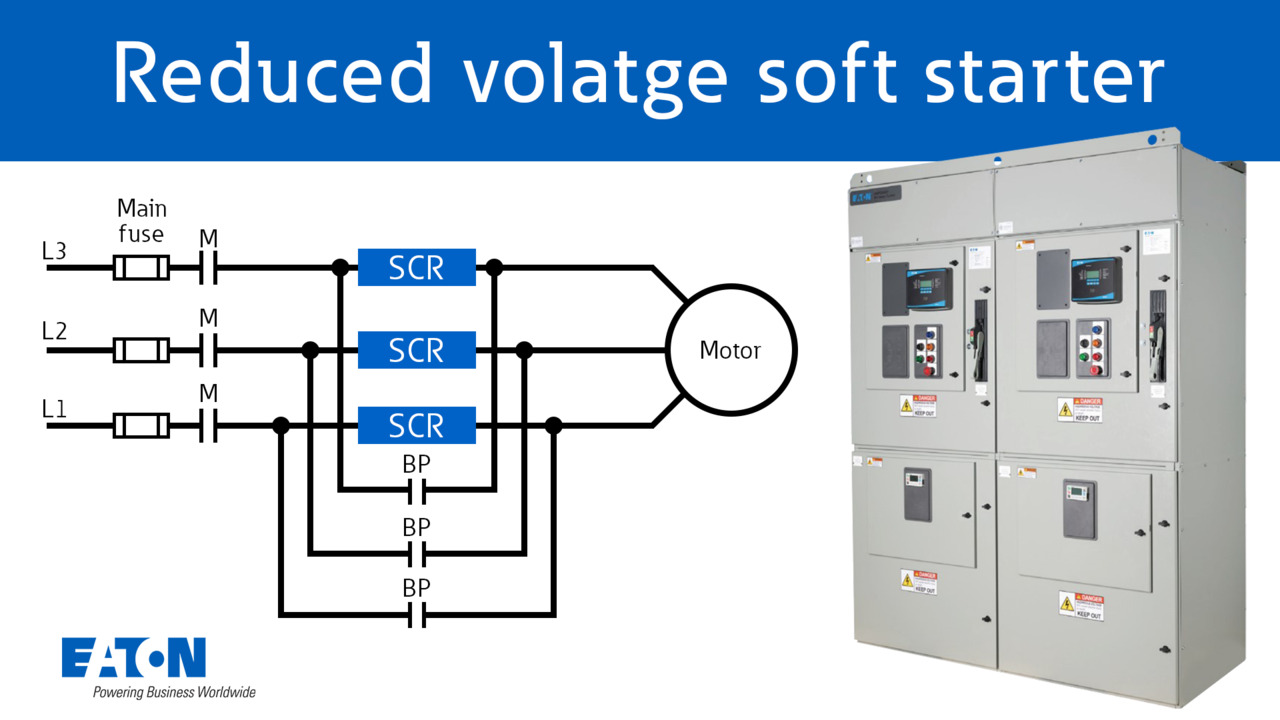
Reduced voltage soft starters (RVSS) explained | Eaton PSEC
8:51
A reduced voltage soft starter, or RVSS, is an electronic device used to start and control the speed of electric motors. RVSSs are designed to protect motors from sudden influxes in power by limiting inrush current associated with motor startup.
-
Power density trends in the medium-voltage industry | Eaton PSEC
7:25
Rising electrification, grid modernization, and data center growth are driving the need for higher medium voltage power density. Learn what this means for medium-voltage switchgear design, efficiency, and reliability.